
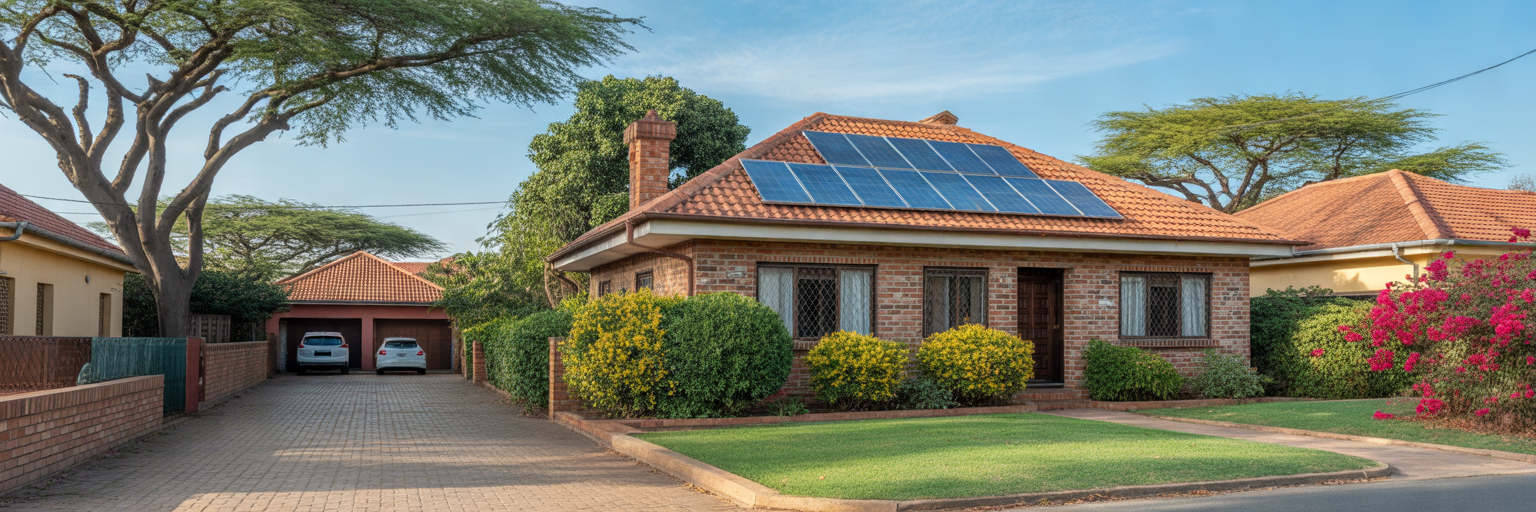
Bulawayo experienced a 15% surge in residential leasing demand over the past year, pushing the vacancy rate in popular neighbourhoods down to a tight 8%. Securing the right home among available rental properties in Bulawayo requires a clear understanding of local suburb tiers, utility setups, and upfront lease requirements.
Current Market Dynamics for Rental Properties in Bulawayo
Compared to Harare, Bulawayo offers tenants greater rental stability, higher overall affordability, and significantly lower traffic congestion. Wide streets and predictable driving times mean your daily commute rarely consumes hours of your day. This practical advantage gives residents the flexibility to live slightly further from the central business district without sacrificing valuable time or fuel money.
Supply, Demand, and Vacancy Rates
While the city remains accessible, the residential leasing market has tightened considerably. That 15% rise in tenant demand over the last twelve months, paired with an 8% vacancy rate in sought-after areas, has changed how quickly homes leave the market. For anyone searching for a property for rent Bulawayo has to offer, quality listings often get taken within a few days of appearing online. Hesitation frequently leads to missed opportunities, making preparation essential for serious house hunters.
Modern Builds Versus Older Housing Stock
Understanding the physical makeup of the local housing stock also helps set realistic expectations. Roughly 15% of the current residential market consists of newly built modern units, such as cluster townhouses and contemporary flats designed with integrated security and energy efficiency. The remaining 85% comprises older properties set on generous plots with spacious brick houses. While these classic homes offer expansive yards and solid rooms, they require careful inspection for ongoing maintenance needs.
To succeed in this competitive environment, prospective tenants should organize their financial parameters and application paperwork before starting their search. Having your budget finalized allows you to act decisively the moment a suitable home becomes available.
Comparing Suburbs Across Different Budget Tiers

With your financial timeline ready, the next step is matching your target budget to the right geographic location. Evaluating Bulawayo suburb rental prices involves looking at plot sizes, community amenities, and proximity to town across three distinct residential tiers.
Cost-Effective High-Density Suburbs
House hunters working with a strict monthly budget will find reliable options in western high-density suburbs such as Nkulumane, Cowdray Park, and Entumbane. Entry-level rents in these neighbourhoods range from $60 to $250 per month, covering everything from partial house shares and neat cottages to full starter homes. Searching for cheap rentals in Bulawayo within these communities brings strong practical benefits, including dependable commuter omnibus routes into town, accessible local municipal clinics, and established government and council schools within walking distance.
Mid-Tier Family Neighbourhoods
Families seeking more space close to the city centre often look toward mid-tier residential zones like North End. Because of its convenient location just minutes from the central business district, North End has experienced a 10% year-over-year price increase. Standalone family homes in this area currently command between $500 and $700 per month, appealing to working professionals who value quick school runs and central access.
Premium Low-Density Residential Areas
At the top end of the market, eastern and southern low-density suburbs offer quiet streets and expansive acreage. Burnside stands out as the premier upmarket address in the city, featuring grand homes on vast grounds. Nearby Hillside remains a top choice for established professionals seeking a reliable balance of leafy surroundings, spacious architecture, and solid long-term value when browsing houses to rent in Bulawayo.
| Suburb Tier | Representative Areas | Typical Monthly Rent (USD) | Key Neighbourhood Features |
|---|---|---|---|
| High-Density (Entry Level) | Nkulumane, Cowdray Park, Entumbane | $60 to $250 | Frequent public transport, local clinics, accessible schools, compact plots |
| Mid-Tier (Central Proximity) | North End | $500 to $700 | Close to CBD, standalone family homes, 10% annual rate growth |
| Low-Density (Premium) | Hillside, Burnside | $800 and above | Large yards, quiet streets, high security, regular borehole availability |
When reviewing these figures, always weigh your base monthly rent against daily commuter transport costs and school proximity. Paying slightly more for a centrally located home in North End can sometimes save money overall by reducing daily fuel consumption.
Utility Realities and Hidden Living Costs to Factor In
Selecting the right suburb is only half of the budgeting equation, because ongoing utility infrastructure directly impacts your actual monthly spend. While the Bulawayo City Council is widely recognized for relatively well-managed municipal water administration compared to other urban centres, dry-season conservation schedules still happen. Securing a property equipped with a functional borehole or a reserve JoJo water tank connected to a booster pump has become a standard expectation in mid-tier and premium homes.
Power supply requires similar foresight due to ZESA load-shedding schedules. Relying on petrol or diesel generators drives up monthly living expenses rapidly. Instead, smart tenants prioritize listings fitted with solar backup inverters and solar geysers. This highlights an important financial reality when comparing older houses against modern units. An older house with a lower base rent can easily cost more by the end of the month due to inefficient electric geysers, high ZESA token usage, and out-of-pocket security additions. Conversely, a slightly higher-priced modern build from that 15% new market share often includes built-in solar power and alarm systems that keep monthly utility bills low.
When calculating your true housing budget, remember to factor in these recurring monthly operational expenses alongside your base rent:
- Bulawayo City Council municipal rates and regular refuse collection fees
- Monthly ZESA electricity tokens, especially in homes running standard electric geysers
- Borehole pump servicing or bulk water delivery refills during dry months
- Neighbourhood watch subscriptions or rapid response armed security fees
- Routine yard and garden upkeep required to maintain larger low-density plots
Calculating the total cost of occupancy before committing to a property protects your household budget from unexpected month-end strain.
Step-by-Step Process for Searching and Securing a Lease

Once your full monthly budget is clear, knowing where to look and how to apply will save you time and money. Traditional registered rental agencies offer structured tenant vetting and formal lease administration, which many landlords and corporate tenants appreciate. However, agencies generally charge a placement or finder fee equivalent to one full month of rent. Because of the manageable geographic scale and low traffic across the city, many house hunters also choose to connect directly with property owners. To simplify this process without unnecessary friction, you can browse our dedicated local listings on Bulawayo Properties to discover verified residential homes and communicate directly with listers across the city.
Regardless of whether you rent through an agency or directly from a landlord, securing the keys requires specific upfront financial commitments. You will typically need to pay the first month of rent in advance, a refundable security deposit equal to one month of rent, and administrative lease preparation fees if an agency manages the paperwork.
Because good homes move quickly, assemble a complete application folder with the following items before attending any property viewings:
- Certified copy of your valid national identification or passport
- Three months of recent payslips or bank statements proving steady monthly income
- Written contact references from your previous landlords confirming reliable tenancy
- Upfront security deposit and first month rental funds ready for immediate transfer
Walking into a property viewing with this folder complete and ready for inspection immediately places you ahead of competing applicants.
Practical Inspection Checklist Before Signing Your Agreement
Having your paperwork and funds ready puts you in a strong position, yet you should never rush past the physical walkthrough of the house. Before signing any lease agreement, conduct a thorough on-site inspection during daylight hours. Turn on multiple taps to test both municipal and borehole water pressure. Check the exact battery health and kVA capacity of the solar inverter to confirm whether the system supports heavy appliances or solely runs lights and Wi-Fi. Outside, inspect the physical security features closely, including the condition of perimeter durawalls, sliding gate tracks, window burglar bars, and exterior door locks.
Equally important is clarifying ongoing maintenance responsibilities inside the written lease contract. Verify in writing whether the landlord or the tenant pays the monthly municipal council bill, who funds structural and plumbing repairs, and who covers mechanical servicing for the borehole pump.
Once your lease terms are agreed upon, protect your refundable security deposit by conducting a documented move-in condition audit on handover day:
- Complete a room-by-room written inventory sheet detailing the state of paintwork, fixtures, and fittings
- Take clear, date-stamped photographs of existing wall cracks, stained carpets, or chipped floor tiles
- Record the exact opening ZESA electricity and municipal water meter readings to avoid paying previous tenant bills
- Ensure both you and the landlord or agent sign the defect list and attach it directly to the lease contract
Above all, follow one strict rule to protect your hard-earned money: never transfer deposit funds or sign a lease agreement without viewing the interior of the property in person and verifying the identity and ownership credentials of the landlord or agent.